What to Prepare Before Selling Sealed Medicines: A Readiness Checklist
Two people send the same request to a buyback fund on the same morning. One has everything ready and gets a preliminary answer within minutes. The other spends five days chasing photographs, expiry dates, and batch numbers that were sitting in a cupboard the whole time. The difference is not luck or leverage — it is preparation. If you are planning to продатьлекарствафонд services are designed to move quickly, but they can only move as fast as the information you provide. This checklist walks through what to have in hand before you make first contact, organized the way an orderly seller would keep it: documents first, then the details, then a short note on why the effort pays off.
Documents and Packaging Details to Have Ready
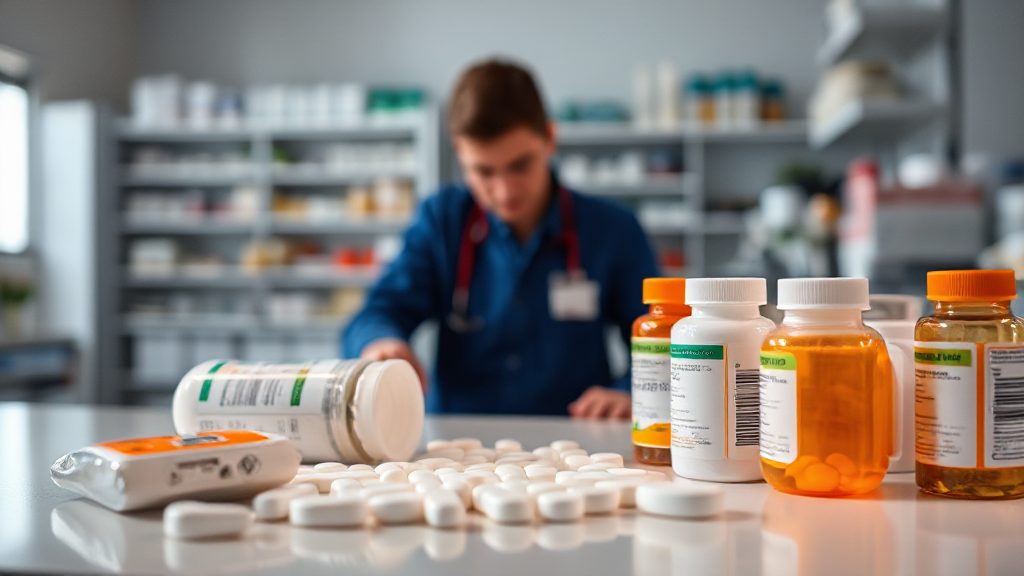
Start with the physical items themselves. Buyback funds deal in closed, unused packaging — not opened blister packs, not loose tablets, not tubes that have been squeezed once and put back in the box. Before you photograph or describe anything, sort your medicines into two piles: fully sealed boxes and everything else. Only the first pile moves forward. This single step saves a surprising amount of back-and-forth, because a large share of rejected submissions fail on packaging condition alone.
For each sealed item, check that the box is intact and legible. The name of the medicine, the dosage, the manufacturer, the batch or series number, and the expiry date should all be readable without magnification. If a label is torn, faded, or covered by a pharmacy sticker, note that in advance — it does not automatically disqualify the item, but it needs to be mentioned rather than discovered later. Expiry dates matter enormously: most funds will only consider medicines with a reasonable remaining shelf life, so pull anything close to its date and set it aside before you build your list.
If you have receipts, pharmacy invoices, or delivery documents, gather them. They are not always required, but they help establish that the medicines were legitimately obtained and stored properly. For pharmacies and clinics clearing surplus stock, internal inventory sheets or transfer records serve the same purpose. Keep these documents together in one folder or one scanned file so you can send them in a single message rather than dribbling them out over several days.
Information to Gather Before You Make Contact
Once the physical sorting is done, build a simple written list. For every item, record the full trade name, the dosage and form (tablets, capsules, ampoules, syrup), the quantity of packs, the batch number, and the expiry date. A spreadsheet works well; a numbered list in a notes app works just as well. The goal is a single document you can copy into a message without re-reading every box.
Next, prepare photographs. Good photos do most of the work in a preliminary assessment, because the fund can judge packaging condition, legibility, and authenticity at a glance. Photograph each box from the front so the name and dosage are clear, then from the side or back so the batch number and expiry date are visible. Use natural light, avoid glare on foil or glossy cardboard, and keep the box flat rather than holding it at an angle. If you have many identical packs, one clear photo of a representative box plus a note on the total quantity is usually enough.
Finally, decide how you want to be contacted and be ready to answer a few standard questions: where the medicines are located, how many packs are involved in total, and whether the packaging has ever been opened or stored somewhere unusually warm or damp. Storage conditions come up often, so think about where the medicines have actually been kept — a cool, dry cupboard is the answer funds want to hear, and it should be the truthful one.
You do not need to guess at value before contacting anyone. Preliminary assessment exists precisely so that you can get an indication without committing to anything. What you do need is enough detail for that assessment to be meaningful, which is exactly what the list and photos provide.
How to Organize the Submission Itself
With documents and details in hand, the submission becomes a short, tidy message. Lead with a one-line summary: how many sealed packs, what categories of medicine, and where they are located. Then attach or paste the list, followed by the photographs in the same order as the list. If any item has a caveat — a slightly worn label, a shorter expiry window, a missing outer carton — put it in the message rather than leaving it to be spotted. Honest, complete submissions get faster and more accurate responses than ones that reveal problems gradually.
Keep the original packaging untouched while you wait for a reply. Do not write on boxes, do not tape lists to them, and do not repack medicines into different containers to make the pile neater. The packaging as it stands is what is being assessed, and altering it can turn an acceptable item into an unacceptable one. If you need to mark your own inventory, use a separate sticker on a bag or a numbered note beside the item, never on the medicine box itself.
It also helps to set aside a realistic window for the process. A well-prepared submission typically moves through preliminary assessment quickly, but the follow-up — agreeing on terms, arranging handover or pickup, and completing the transaction — takes its own time. Knowing this in advance keeps you from sending impatient follow-ups that do not actually speed anything up. If you have not heard back within the timeframe you were given, a single polite check-in with your reference number or list attached is enough.
Why Preparation Speeds Everything Up
The five-minute submission and the five-day submission contain the same medicines. What separates them is whether the seller did the sorting, listing, and photographing beforehand or left it to be requested piece by piece. Every missing expiry date, blurry photo, or unstated packaging flaw adds a round trip: a question, a delay, a reply, another question. Multiply that by a dozen items and a straightforward transaction turns into a week of messages.
Preparation also protects you. When your list is complete and your photos are clear, you can compare offers and terms on equal footing, and you are far less likely to accept a vague figure for a mixed lot that was never properly described. You know what you have, in what condition, and with how much shelf life remaining — which means you can evaluate any response with a clear head.
So treat the checklist as the actual first step, not a formality before it. Sort the sealed packs, note the batch numbers and expiry dates, take clean photographs, gather any supporting documents, and write the summary line. Do that, and the conversation that follows is short, specific, and productive — which is precisely the outcome a prepared seller is looking for.